Tiger Woods’ License Suspension: A Participation Problem, Not a Morality Play, for Bettors

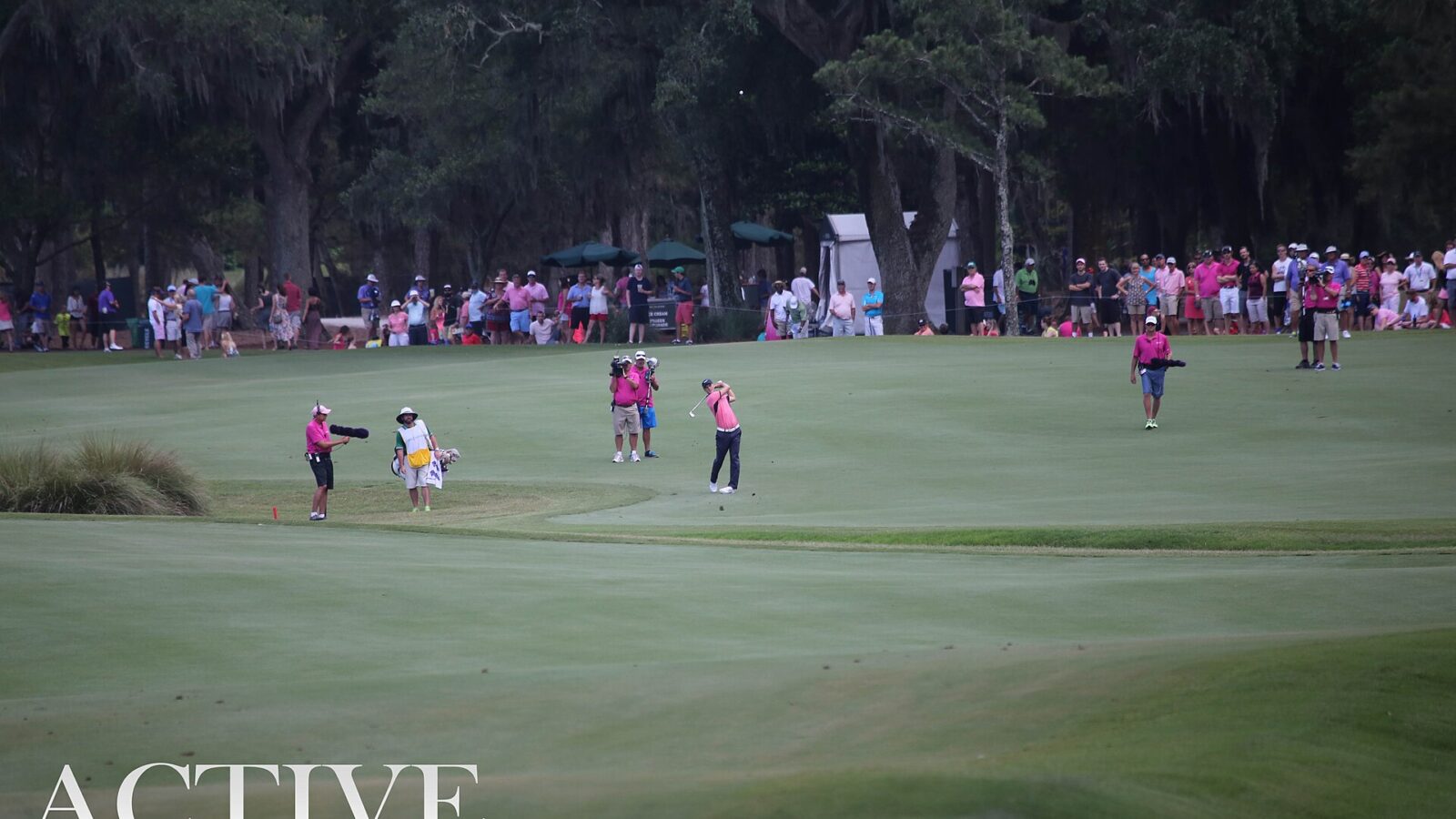
Photo by Active Magazine — CC BY 2.0 via Wikimedia Commons
Tiger Woods has had his driver’s license suspended for five years as part of a plea deal, and the betting-relevant takeaway has nothing to do with the courtroom. It has to do with start frequency. Any wager on Woods at this stage of his career is fundamentally a wager that he tees it up at all — and off-course legal entanglements have historically been the single strongest predictor that he won’t. If you hold exposure to Woods in any lookahead market, or you’re tempted by his name in a future outright pool, this news should change how you price that position.
The Only Variable That Matters Is Whether He Plays
Strip away the sentiment and Woods’ betting profile in recent seasons has been a simple model with one dominant input: appearances. His schedule had already compressed to a majors-only cadence, with occasional guest spots at events he hosts or the family-oriented PNC Championship. Every futures ticket written on him carried an enormous base-rate risk of a withdrawal or a no-start, and a five-year license suspension arriving via plea deal adds a fresh layer of disruption — court obligations, reputational management, and the kind of sustained media cycle that has preceded extended absences from competition throughout his career.

The historical pattern is instructive. His 2017 arrest was followed by a long competitive silence. Earlier personal crises produced similar gaps. The sample isn’t large, but the direction is consistent: legal and personal turmoil correlates strongly with time away from tournament golf. A bettor doesn’t need to know the details of the plea to update the probability of “Woods starts in Event X” downward.
The Tiger Tax Just Got Wider
Woods occupies a unique position in golf markets: his ticket share has persistently exceeded any rational estimate of his win probability. Books know this and shade his prices accordingly, which means the rest of the board is marginally inflated whenever he’s in a field. That gap between sentiment and reality is the so-called Tiger tax, and it’s a structural feature of his markets, not a bug.
Here’s the counterintuitive part: off-course headlines tend to increase casual interest in Woods rather than decrease it. Name recognition drives recreational money, and this story puts his name back in front of people who don’t follow golf week to week. If his true participation and contention probability is falling while his public profile rises, the tax widens. The disciplined response is not to bet against him out of principle — it’s to recognize that when Woods’ price compresses for non-performance reasons, value migrates to the contenders around him.
Resist the Outlier
Every discussion of Woods and adversity eventually lands on the 2010 Masters, when he returned from scandal and finished in the top five. Treat that result as what it is: an outlier from a player who was then in his physical prime. The broader dataset — post-injury returns, post-layoff performances, the standard aging curve for a golfer now in his fifties with a well-documented surgical history — points firmly toward diminished outcomes after time away. Anchoring on the most memorable exception is a classic recency-and-narrative bias, and it’s expensive.
The clinical read is that Woods’ realistic ceiling in a full-strength field has been a made cut and a respectable weekend for several years. Nothing about a legal resolution changes that ceiling. It only adds variance to the floor — the scenario where he doesn’t appear at all.
Practical Adjustments for Your Card
First, avoid locking bankroll into Woods outrights for future majors. Futures already carry heavy opportunity cost; futures on a player whose availability is this uncertain are dead capital. Second, watch how books handle his markets in the coming weeks. Some will suspend Woods listings entirely, and when those markets reopen, prices are often reset hastily — that reset window is where inefficiency tends to live, in both directions.
Third, in any event he does enter, the honest markets are the derivative ones: to make the cut, head-to-head matchups, finishing position brackets. Those are where his true current level gets priced with the least sentiment distortion, and where a disciplined bettor can express a view without paying the tax.
Finally, use his soft schedule signals as leading indicators. Appearances at low-stakes, comfort-zone events have historically telegraphed his intent to compete at bigger ones. If those stops disappear from his calendar, the majors follow.
The plea deal is a legal story. The betting story is older and simpler: price the player and his actual likelihood of competing, never the brand. This week made that discipline more valuable, not less.
Reporting source: Tiger Woods' license suspended for 5 years after plea deal