Wild–Blackhawks Highlights Are Out — Here’s Why Sharp Bettors Should Scroll Past

Photo by Jenn G from Seattle, WA — CC BY-SA 2.0 via Wikimedia Commons
The highlights from Minnesota–Chicago are making the rounds, and somewhere a bettor is watching a two-minute clip and adjusting a position. That’s the mistake this article exists to prevent. Late-September NHL hockey is the lowest-signal data environment on the calendar, and a game between the Wild and Blackhawks — one team built on veteran structure, the other deep in a rebuild — is a perfect case study in why highlight-driven betting is a leak in your process. If you’re holding futures or preparing early-season wagers, what happened in this game matters far less than how it happened, and most of what happened shouldn’t move your numbers at all.
The Signal-to-Noise Problem
Start with context: exhibition and early-camp games feature split rosters, managed veteran minutes, and special-teams units that are closer to laboratory experiments than finished products. Historical analysis is unambiguous on this — preseason results carry essentially zero predictive weight for regular-season outcomes. Teams that dominate September finish last; teams that sleepwalk through camp win divisions. The scoreboard in a game like this is noise by design.

The compounding issue is that highlight packages are curated to maximize entertainment, not information. A prospect dangling through third-pair defensemen tells you nothing about how he performs against NHL-caliber gap control in November. A pretty power-play goal against a penalty kill missing its top two forwards is a data point with an asterisk the size of a Zamboni.
What Actually Deserves Your Attention
That doesn’t mean the game is useless. It means you have to mine it correctly. The extractable signal lives in deployment, not outcomes:
Line combinations and pairings. Who is being trusted in top-four minutes? Which wingers are flanking Chicago’s young franchise center? Is Minnesota auditioning a rookie defenseman next to an established top-pair staple? Coaching staffs reveal their October plans in September usage long before they reveal them in press conferences.
Power-play structure. First-unit composition is one of the most actionable fantasy and futures inputs available this time of year. A player running PP1 in camp who wasn’t there last season is a genuine information event — far more than any goal he scores in the process.
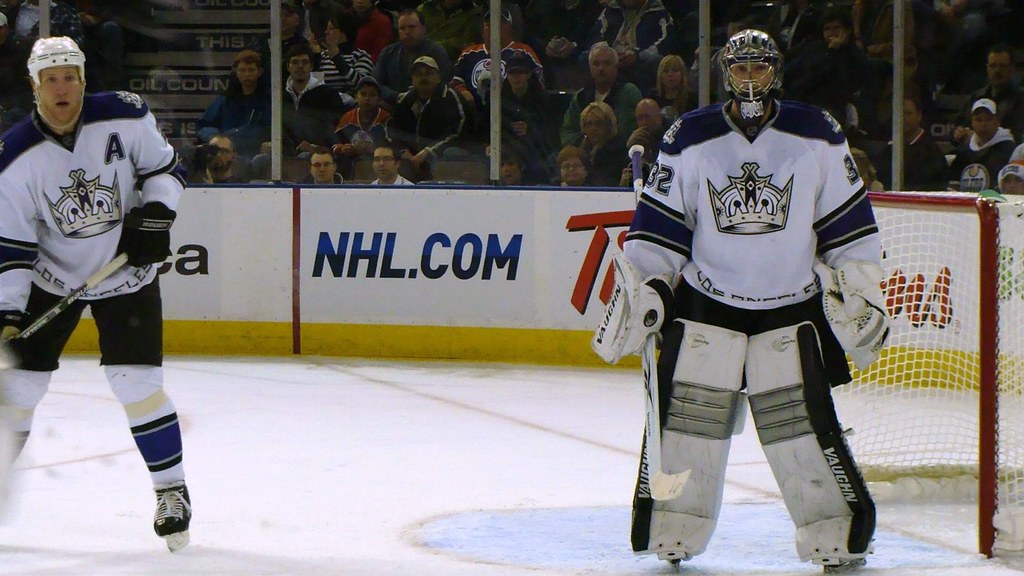
Goaltending rotation. Minnesota’s crease is a developmental watch — how the organization sequences its young netminder’s appearances hints at the intended NHL workload. Chicago’s situation is similarly instructive: a rebuilding team’s confidence in its young goaltending shows up in who gets full games versus split duties.
A Case Study in Bad Data
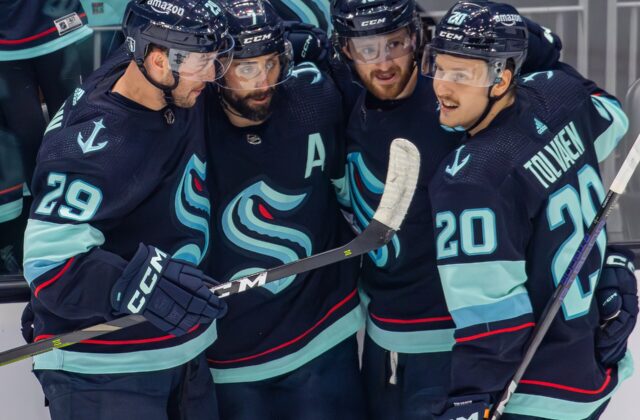
Here’s a detail worth flagging, and it doubles as a process lesson. The athlete tags circulating with this game package include Bowen Byram and Bobby Brink — names that don’t belong in any Wild–Blackhawks analysis on a roster sheet you should be working from. Whether that’s a syndication error or an aggregation glitch is beside the point. The point is that metadata lies, and it lies constantly at this scale of coverage.
If your pipeline ingests tagged data without verification, errors like this propagate quietly into projections. This is garbage-in-garbage-out in its purest form. Before any input touches a model, cross-check it against the primary box score — actual ice time, actual lineups, actual participation. The bettors who win long-term aren’t smarter; they’re running cleaner data.
Fantasy and Futures: The Discipline Play
For fantasy managers, the rule is simple: chase deployment, not production. A pointless 19-minute night with first-unit power-play time is worth more than a two-goal game built on third-line minutes. September scoring leaders are historically a who’s-who of players you will not be rostering in December.
For futures and season-long markets, resist the urge to update priors on a single exhibition or early result. Minnesota’s profile — structured team defense, goaltending depth, a defined veteran core — produces a stable floor, and floors are what matter when evaluating win totals. Chicago is the opposite profile: a young core with a wide outcome distribution, where variance is the story and patience is the edge. Rebuilding teams are routinely mispriced early in both directions because the market overreacts to small samples. Let the market make that mistake. Give yourself 10 to 15 regular-season games of meaningful data before materially adjusting anything.
The highlight reel is entertainment. The edge is on the second page of the box score — ice time, deployment, and, just as often, the names that weren’t dressed at all.
Reporting source: Minnesota Wild vs. Chicago Blackhawks: Game Highlights