Marvin Harrison Jr. Is Blocking Out the Noise — Here’s What Sharp Bettors Should Actually Be Tracking

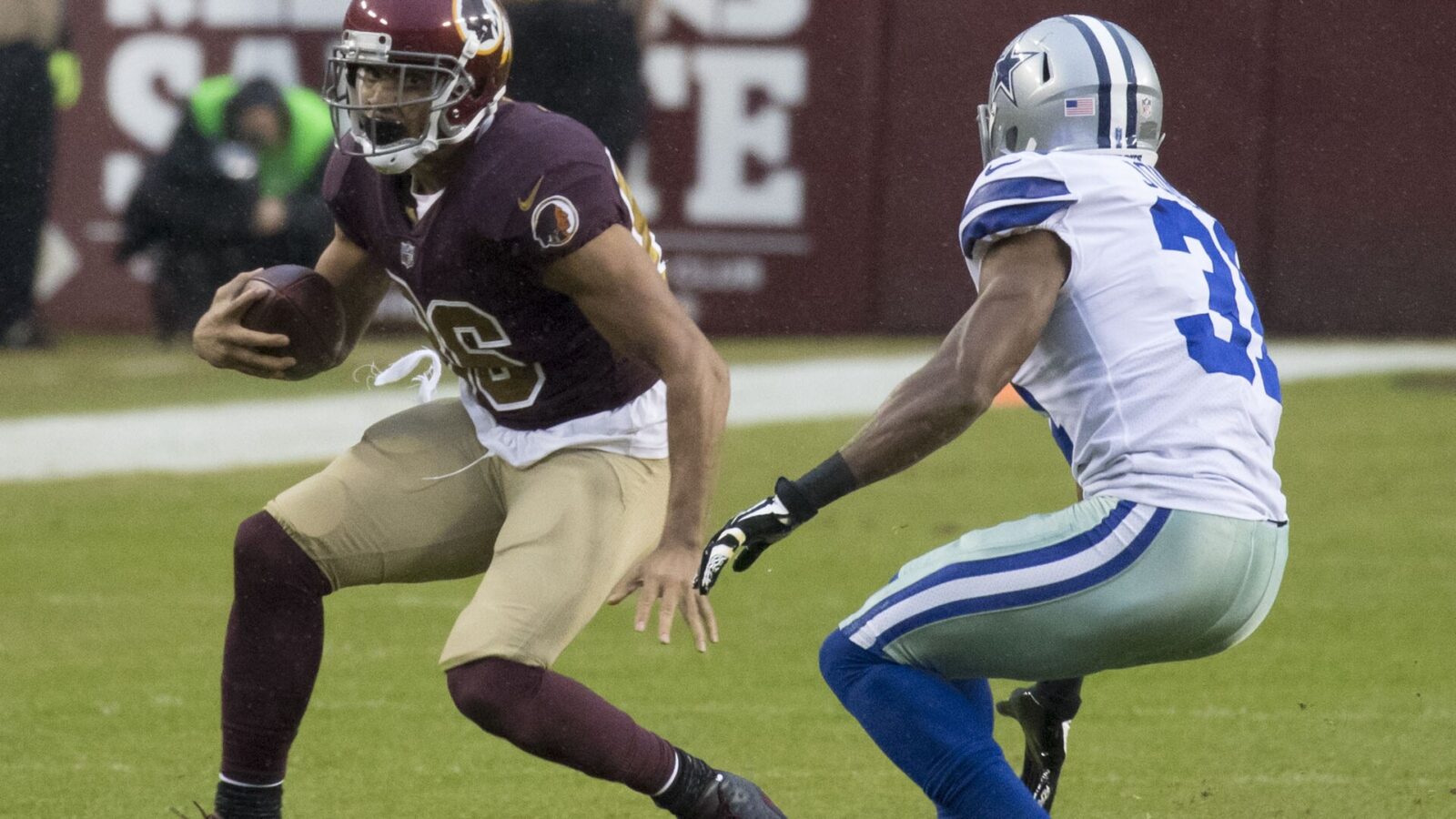
Photo by Keith Allison — CC BY-SA 2.0 via Wikimedia Commons
Every time a marquee wide receiver opens a season slowly, two parallel markets form. One is the betting market. The other is the court of public opinion. Marvin Harrison Jr. is losing badly in the second one right now, and that is precisely why disciplined bettors should be paying close attention to the first. When narrative volume spikes and box-score production dips, pricing inefficiencies follow. That’s not a theory — it’s one of the most reliable patterns in NFL player markets.
The substance of the news out of Arizona — Harrison acknowledging the criticism, insisting his confidence is intact, teammates publicly backing him — tells you almost nothing about what happens on Sunday. But it tells you a great deal about how the betting public is about to behave. And in tactical betting, anticipating public behavior is often more valuable than predicting player performance.

Public Perception Is the Real Opponent
Recreational money bets on names and recent memory. A former top-five pick with a Hall of Fame father underperforming in his third season is catnip for talk radio, social media pile-ons, and — critically — fade tickets. Sustained negativity on a high-profile player tends to drag his prop numbers down and push casual money toward unders in the markets attached to him. Books respond to that flow. Numbers get shaded. And shaded numbers are where value lives, in either direction.
Here’s the discipline required: “blocking out the noise” is standard athlete public relations. Every struggling star says some version of it. Do not treat Harrison’s confidence quotes as a buy signal. Equally, do not treat the media pile-on as a sell signal. Both are noise. Your job is the same one Harrison claims to be doing — filter it out and focus on the underlying reality.
Usage Is the Only Quote That Matters
Forget the press conference. The actionable data points are target share, route participation, snap percentage, and where Harrison is being deployed in the formation. If he is still commanding heavy volume while the catches and yards lag, you are looking at a classic positive regression candidate — a player whose production is almost certain to normalize toward his usage. Those are the spots where depressed numbers become gifts.
The alternative scenario is the dangerous one. If the targets are genuinely shrinking — if the offense is structurally routing away from him — then the slow start isn’t variance, it’s architecture. No amount of locker-room confidence fixes a declining role. Before you bet a bounce-back, verify that the opportunity is still there. Opportunity precedes production, always.
Context matters too. A receiver’s slump is frequently a symptom rather than the disease. Assess Kyler Murray’s form, the protection in front of him, and whether the entire Arizona passing game is sputtering rather than just its most famous name. If the whole unit is down, Harrison’s number may not be the depressed one — Murray’s passing markets and the Cardinals’ team totals could be where the overcorrection actually sits.
The Ripple Effects Worth Betting
One underperforming star bends an entire offense’s market profile. If defenses begin shifting safety help away from Harrison because he isn’t commanding respect, secondary options inherit softer coverage — and their props often lag the tactical reality by a week or two. If coverage keeps rolling his way regardless of form, the volume has to go somewhere, and it usually goes to whoever the public isn’t watching.
Game script is the other lever. If Arizona is chasing games, passing volume inflates late, and garbage-time production is very real in player prop markets. A receiver can have a quiet three quarters and still clear his number in the fourth. Know the likely script before taking a position on any Cardinals pass-catcher.
The Tactical Bottom Line
Do not bet the narrative in either direction. Run a simple checklist before every Harrison market: Is the target share intact? Is the route participation stable? Is the matchup favorable — cornerback quality, scheme tendencies, expected game flow? If usage is holding and the matchup is soft, a public-shaded number is a buy. If usage has collapsed, walk away no matter how cheap the line looks. Cheap for a reason is not value.
Harrison says he’s confident. His teammates say they’re confident. None of that is actionable intelligence. What’s actionable is the gap between perception and opportunity — and right now, few players in the league carry a wider gap than Arizona’s No. 1 receiver. The noise he’s blocking out is the same noise that moves markets. Your edge is in the difference.
Reporting source: Harrison Jr. blocking out noise amid slow start for Cardinals