The NBA’s New Whistle Is About to Rewrite Your October Betting Card

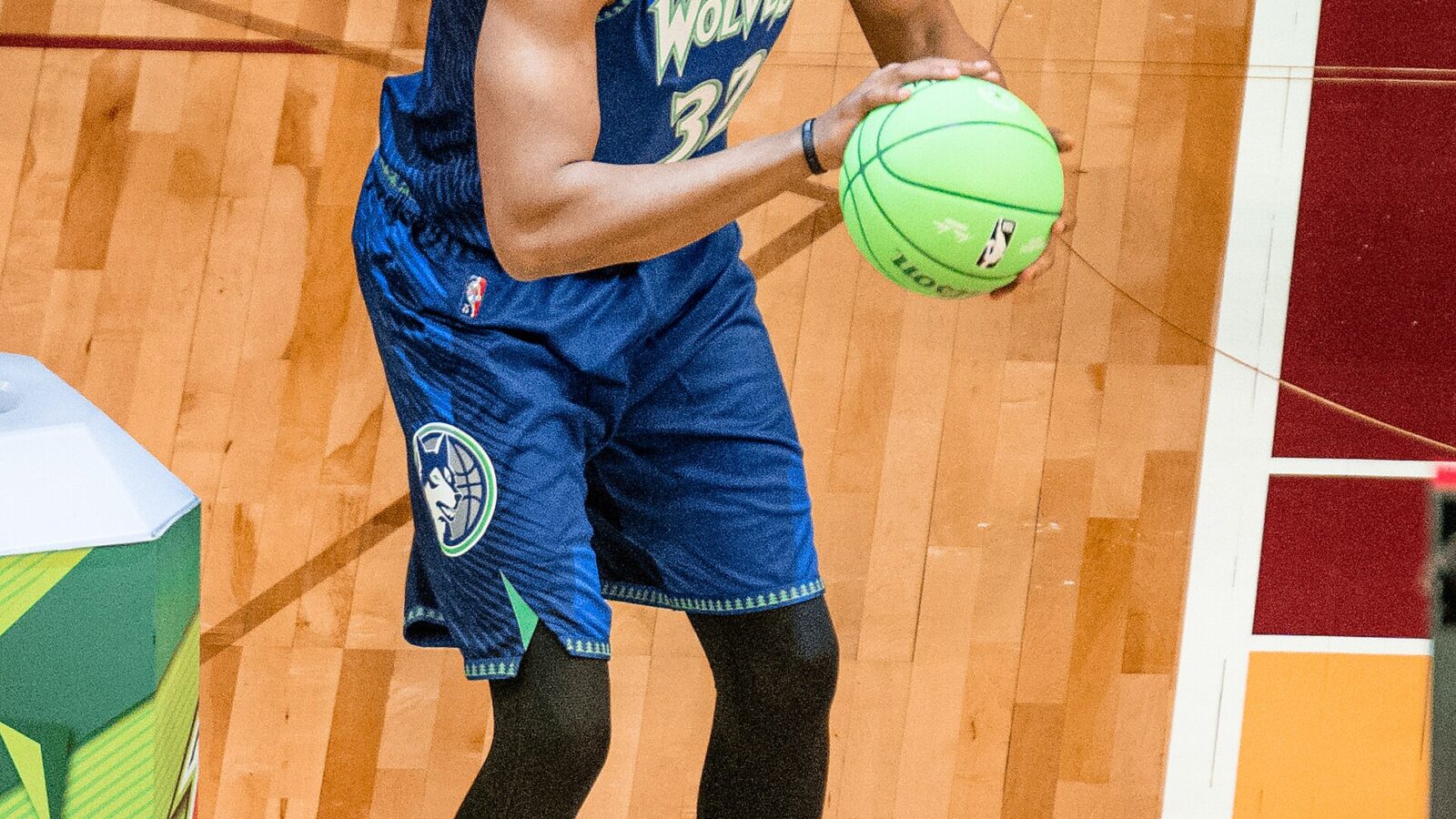
Photo by Erik Drost — CC BY 2.0 via Wikimedia Commons
Every few years, the league office sends out a memo that sounds like bureaucratic housekeeping and ends up changing what basketball looks like for a month. This is one of those memos. The NBA has told its referees to crack down on four “high-volume and highly impactful” call types, with push-offs headlining the list, and if you’re the kind of bettor who treats totals and player props like a second job, this should be sitting at the top of your prep notes for opening night.
Here’s the thing about points of emphasis: they don’t stay in the news cycle long, but they live in the box scores for weeks. The market prices in last season’s basketball. The first month of the season is played under this season’s whistle. That gap is where edges live.

We’ve Seen This Movie Before
Cast your mind back to the fall of 2021, when the league decided it had enough of foul-baiting — the rip-throughs, the sideways leaps into defenders, the unnatural shooting motions designed to manufacture free throws. For the first several weeks of that season, scoring dipped, stars grumbled, and games had a noticeably choppier rhythm. Then the players did what elite players always do: they adjusted, the whistle softened, and everything regressed toward normal by winter.
Or look at the spring of 2024, when a midseason officiating directive produced a visible drop in foul calls and scoring almost overnight. Totals that had been climbing all year suddenly looked inflated. Bettors who caught the shift early had a window. Bettors who caught it late were chasing a market that had already moved.
The pattern is always the same. The whistle wins the first round. The talent wins the rematch. Your job is to be positioned for round one.
Who Actually Feels This One
The push-off is the quiet weapon of modern shot creation. It’s the subtle off-arm extension that turns a contested midranger into a clean look, the little forearm shiver that lets a bigger wing get downhill. It doesn’t show up in highlight packages, but it’s baked into the diet of almost every isolation scorer in the league.
So think about what a genuine crackdown does. Offensive fouls are the worst outcome in basketball — a dead possession, a turnover, and no free throws to soften the blow. Stack two of those on a star in the first quarter and you’ve got foul trouble, a frustrated bench, a disrupted rotation, and a team total that’s suddenly gasping. The players most affected aren’t role players; they’re the heliocentric creators whose scoring props you bet every single night.
And don’t sleep on the emotional layer. Stars who get whistled for something they’ve gotten away with for a decade tend to let officials hear about it. Technical fouls, short fuses, ejection risk — it all becomes part of the live-betting calculus early in the year.
Where the Betting Angles Actually Are
Start with totals. Books build their early-season numbers off last year’s scoring environment, and a league-wide emphasis on offensive fouls is a drag on efficiency by design. Possessions end early. Rhythm dies. First quarters especially tend to be whistle-heavy as officials set the tone, so first-half and first-quarter markets deserve a look before full-game numbers do.
Then look at the prop sheet. Turnovers are the sneaky one — offensive fouls count as turnovers, and if push-off calls spike, so do turnover numbers for high-usage ball handlers. Scoring props for isolation-heavy stars carry real downside risk until we see how tightly this is called. On the flip side, defenders with reputations for physicality might suddenly look even more valuable, and team defensive identity could matter more in October than it usually does.
What to Watch Before You Fire
Preseason is your free preview. Don’t watch the score — watch the whistle. If crews are calling push-offs in exhibition games, that’s the league sending a message, and it usually carries into November. Also pay attention to which stars adapt fastest. The smart ones will have spent the summer working on creating space with footwork instead of forearms. The stubborn ones will spend three weeks arguing with referees.
One word of caution: don’t marry the under. If history is any guide, this emphasis fades. By the time the calendar flips toward the holidays, players adjust, officials relax, and scoring creeps back. The market will overcorrect somewhere in the middle of that curve, which means the same bettors who feasted early can get run over late.
The NBA just told you, in plain language, that the game is about to be officiated differently. That’s not a headline to scroll past — it’s a preview of the season’s first market inefficiency. Be early, be flexible, and be gone before the adjustment arrives.
Reporting source: NBA issues new guidelines, instructs refs to crack down on push-offs