Roman Harper’s “Toughness” Critique Is a Betting Signal, Not a Soundbite
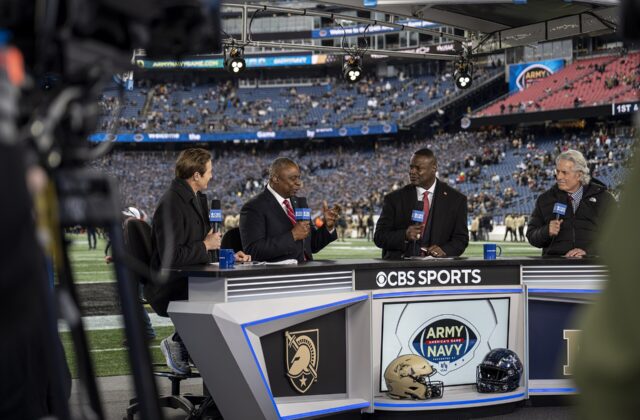
When a former Alabama standout goes on SEC Network and publicly demands the Crimson Tide get tougher in the trenches, the instinct is to file it under August filler. Don’t. For anyone betting college football this fall, Roman Harper’s comments matter less as opinion and more as a pointer — they’re aimed directly at the single most predictive, most stable layer of a football program, and the one most tightly correlated with whether a heavy favorite actually covers its number.
That matters with Alabama specifically because the Tide still carry a brand tax in the market. Casual money bets the logo. If the underlying line-of-scrimmage profile has genuinely eroded from the Saban-era standard — and a respected program alum saying it out loud suggests the concern is real and internal, not just media noise — then backing Alabama at typical prices is paying for a reputation the trenches may no longer support.

Read the Signal, Not the Noise
Public critiques from program legends function as narrative indicators. Players-turned-analysts with deep ties to a locker room rarely invent these talking points; they echo what people inside the building already believe. Harper calling for Alabama to “physically impose their will” in August 2026 tells you the issue wasn’t fully resolved last season, and that the internal standard is not being met.
The betting application isn’t to fade Alabama reflexively off one quote. It’s to recognize that the market often lags on identity questions because talent composites and recruiting rankings are sticky in public perception. Alabama will always look elite on paper. Harper is telling you to look somewhere else — and he’s right about where to look.
Why Trench Data Beats Skill Talent for Betting Purposes
Here’s the analytical core: line play is the most stable year-over-year team trait in college football. Metrics like line yards, stuff rate, pressure rate, and havoc rate carry over from season to season far more reliably than anything produced by skill-position players, who churn through the portal and the draft. Trench performance is program infrastructure — strength development, recruiting evaluation, scheme fit, and coaching continuity all baked into one number.
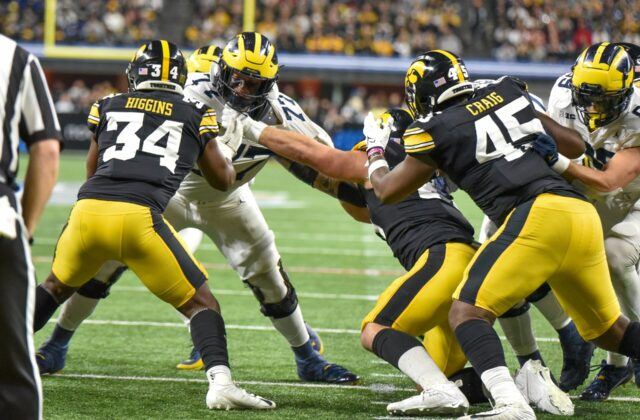
The betting consequences are direct. Favorites that can’t control the line of scrimmage fail to cover at elevated rates because covering big numbers late requires the ability to run out games. Weak rushing attacks produce pass-heavy scripts, more variance, and fewer comfortable fourth quarters. On the other side, a soft defensive front lets underdogs sustain drives, shorten games, and hang around inside the number. Every one of those outcomes flows from the exact thing Harper is questioning.
The DeBoer Identity Question
Layer the coaching profile on top. Kalen DeBoer’s offensive pedigree is built on spacing, timing, and efficiency — his Washington teams won with scheme and execution more than raw physical domination, even when their line was legitimately excellent. That’s not an insult; it’s a stylistic profile. But it collides with the Alabama standard Harper is invoking, which is the old Saban formula: win the line first, let everything else be a multiplier.
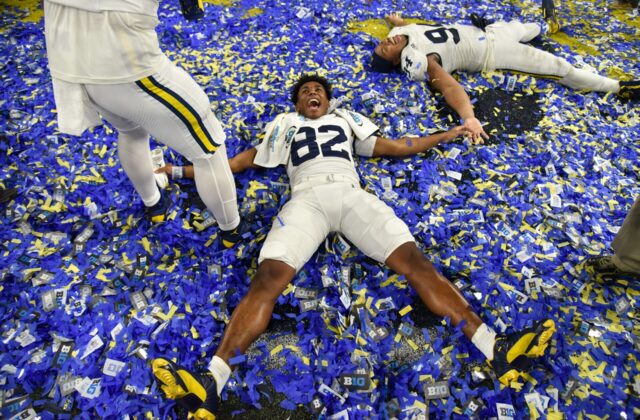
The early evidence in Tuscaloosa justified the concern. The 2024 season included a road loss at Vanderbilt and a no-show at Oklahoma where the Tide were overwhelmed physically, capped by a bowl loss to Michigan in which Alabama’s front was outplayed by a depleted opponent. That’s the sample Harper is reacting to. The question for 2026 isn’t whether Alabama is talented — it’s whether the program’s identity has actually shifted toward the violence he’s demanding, or whether this is another August of talk.
How to Translate This Into Your Process
Practically, this changes how you should approach Alabama markets rather than whether you touch them at all:
- Delay your futures conviction. Don’t commit to season-long positions on Alabama until you have two or three weeks of opponent-adjusted trench data. Early information is real information.
- Watch the right box scores. Ignore final margins in September blowouts. Track rushing success rate, tackles for loss allowed, and pressure rate on both sides. Those numbers will tell you whether Harper’s demand was answered.
- Treat big spreads with suspicion. Laying large numbers with any favorite that can’t run the ball is historically poor process, regardless of brand.
- Adjust totals thinking. A pass-reliant Alabama is a higher-variance Alabama — in both directions. Script matters more than usual for their game totals and live-betting opportunities.
Harper probably intended his comments as motivation. Bettors should treat them as an audit prompt instead. The number tells you what the market thinks of Alabama. The trenches will tell you what’s actually true — and this fall, more than usual, the truth is the bet.
Reporting source: Roman Harper calls for Alabama to be 'tougher' in the trenches
Image: The White House (CC PDM), via Openverse.