Same Script, Different Saturday: Leclerc’s Austin Frustration Is a Betting Signal, Not Just a Sob Story

If you’ve been backing Ferrari on Saturdays because the red car looks the part, Austin just handed you another receipt. Charles Leclerc didn’t hide from it either — he came out after qualifying at the United States Grand Prix and publicly asked the question every Ferrari fan and every punter holding a Ferrari ticket has been asking: why does this team keep leaving its best lap in the garage when Q3 arrives? For bettors, that admission is the story. When the driver tells you the team doesn’t understand its own car in the most important ten minutes of the weekend, that’s not noise. That’s a trend you should be pricing in.
Bet the Pattern, Not the Badge
Here’s the trap with Ferrari: the evidence of pace is always there, glowing at you from the timing screens. Practice looks sharp. Q1 is a breeze. Q2 raises your pulse. And then Q3 — the part that actually sets the grid and cashes pole-position tickets — the lap just isn’t there. Rivals find half a step; Ferrari finds explanations. One bad Saturday is bad luck. A running theme of bad Saturdays, capped by the driver demanding answers on the record, is a pattern.

And let’s not gloss over the irony, because it’s the best part of this whole saga. Leclerc is one of the most gifted one-lap drivers of his generation — a man whose career highlight reel is practically built on pole laps. If Q3 has become his bogey session, that’s not a talent problem. That’s a car problem, and car problems don’t get fixed by hope. Patterns are the currency of anyone serious about betting this sport. If you keep paying for the version of Ferrari that exists in your head, you’re effectively donating to the market.
Sunday Is a Different Movie
Now here’s where it gets interesting, because writing Ferrari off entirely is just the mirror image of the same mistake. COTA is one of the more forgiving venues on the calendar for a quick car starting out of position. That uphill drag into Turn 1, the big braking zone at the end of the back straight — overtakes happen here. And the longstanding quirk of this Ferrari era is that the car often behaves better with fuel in it and laps piling up than it does in a one-lap knife fight. Tyre life, race trim, long-run rhythm — that’s historically been where Leclerc claws back what Saturday takes away.
So the smart separation for your slip is this: qualifying markets and race markets are telling two different stories about the same team. A driver starting a few rows back with superior Sunday pace is exactly the profile that shows up in podium markets, points-finish angles and head-to-head race matchups. If the grid underestimates Leclerc because of a deflating Saturday, the value this weekend — if there is any — lives on race day, not in the pole shootout.
The Psychology of the Nearly-Man
Strip away the spreadsheets and this is why I love covering Leclerc: the man is F1’s great tragic hero, and tragedy compounds. He has never hidden how much these shortfalls wear on him, and when a driver starts doing the team’s introspection in public — “we need answers” is not a compliment to the engineering department — you’re watching pressure build in real time. Pressure cuts both ways on a Sunday. Sometimes it produces the defiant, elbows-out drive that reminds everyone why he’s considered generational. Sometimes it produces the overreach — the lunge that wasn’t on, the overdriven corner chasing time the car doesn’t have.
And don’t pretend the garage atmosphere is irrelevant. Ferrari operates under a scrutiny no other team touches, and a season’s worth of “nearly” Saturdays has a way of leaking into strategy calls and pit-wall nerve. When you bet this team, you’re betting the whole opera, not just the horsepower.
The Bottom Line
No odds are on the board as I write this, and frankly they don’t change the logic. Until Ferrari proves the Q3 gremlin is dead, treat Leclerc as a Sunday story with a Saturday discount. Fade the fairy tale in qualifying. Keep him very much alive in anything settled after the chequered flag. And keep an eye on the debriefs, because the day this team finally explains its own car to its own driver, the narrative flips — and the people who noticed first are the ones who get paid. The badge doesn’t cash tickets. The pattern does.
Reporting source: Charles Leclerc seeking answers after Ferrari hopes fall short in United States GP qualifying
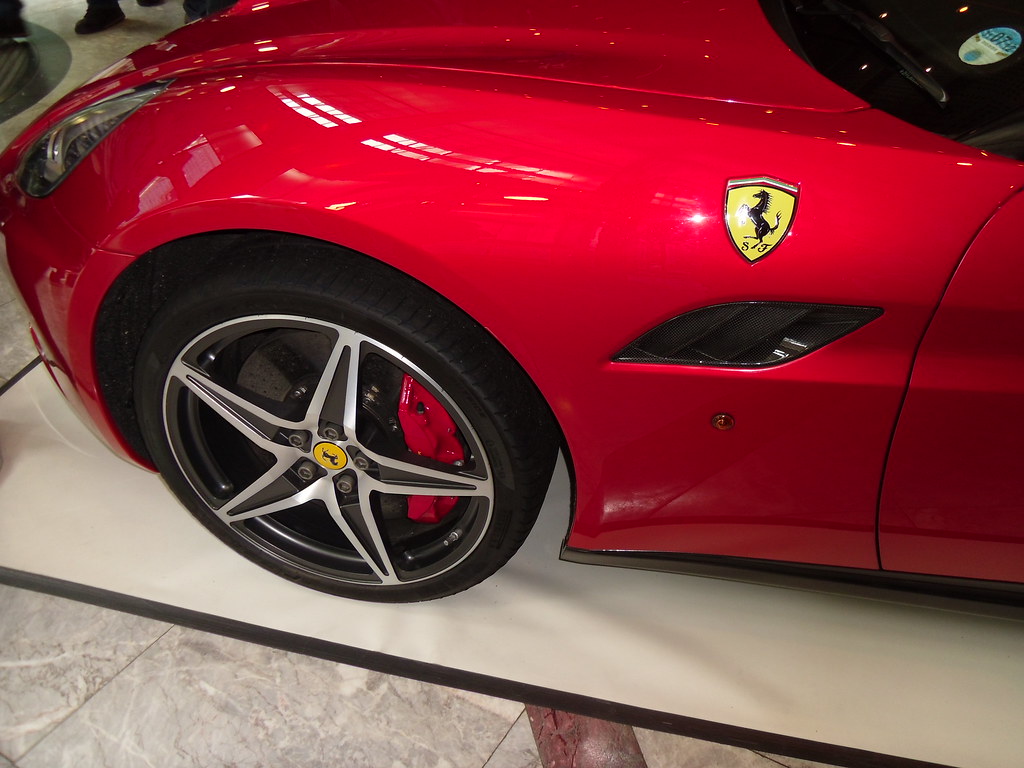
Image: John K Thorne (CC CC0), via Openverse.