Padres-Yankees Rubber Match: How Sharp Bettors Should Approach a September Series Decider

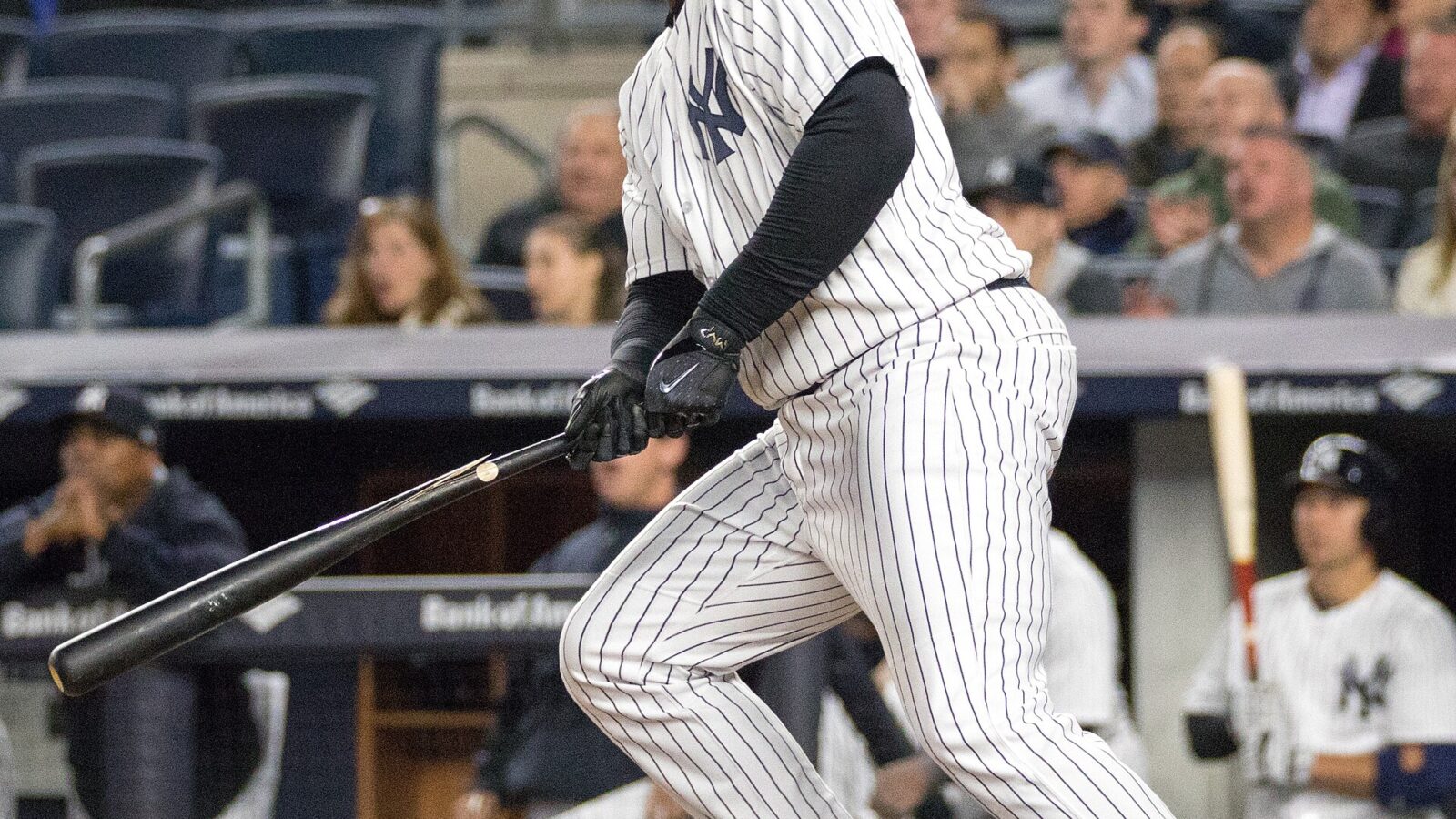
Photo by Arturo Pardavila III on Flickr (Original version) 佾珜 (Crop) — CC BY-SA 2.0 via Wikimedia Commons
A 1-1 series tie in early September between two clubs holding playoff position is not just another line on the board. It is one of the most leverage-dense games of the regular season, and if you handicap it the same way you would a random midweek game in June, you are donating edge to the market. The Yankees, at 81-61 and second in the AL East, are playing for seeding and a division crown. The Padres, at 74-68 and third in the NL West, are playing for survival in the wild-card chase. Every managerial decision in this decider — lineup construction, bullpen sequencing, aggression on the basepaths — gets magnified, and that magnification creates both opportunity and traps for bettors.
Why the Rubber Game Deserves Its Own Handicap
Series deciders are structurally different events. Managers treat them with a urgency they withhold from ordinary games, because the difference between winning a series and settling for a split has real standings value in a tight race. That means you should expect shorter leashes on starters, earlier calls to high-leverage relievers, and fewer “scheduled rest days” for regulars. If your handicap assumes standard usage patterns, it is already stale.

This is also why I separate rubber games from the rest of my card. The motivational floor is high on both sides, which compresses the value on pure “desperation” narratives. Everyone in the market can see the standings. The edge lives in the details the standings do not show.
The First Two Games Are Your Best Data Set
The single most useful thing you can do before betting this game is reconstruct how Games 1 and 2 were actually played — not just who won. Which high-leverage relievers have already appeared twice in three days? Which manager burned his best arms to lock down a win and which one had the luxury of resting his back end? In a 48-hour window, bullpen workload sequencing matters more than season-long relief ERA, because availability in the seventh, eighth, and ninth innings of the decider is what actually decides late-game value.
Do the same audit on the position players. Were platoon weaknesses exposed? Did a key regular leave a game early or get a maintenance day? September lineups are fluid, and the version of each team you saw in Game 1 may not be the version that takes the field for the finale.
Equal Desperation, Different Shapes
Here is the nuance most casual analysis misses: both teams need this game, but they need it differently. New York’s 81 wins give it margin for error — the Yankees are chasing, but they are also positioned well enough that their manager can justify protecting arms with October in mind. San Diego, sitting third in its division, has a far thinner cushion. For the Padres, every loss tightens the wild-card math, and that tends to produce a more aggressive, all-in style of game management.
That asymmetry is worth something. The team with less margin for error typically pushes harder in a decider — more pinch-running, quicker hooks, heavier bullpen commitment. Factor that into how you expect the late innings to unfold rather than treating motivation as a wash.
September Rosters and Interleague Blind Spots
Two structural factors shape this matchup. First, expanded September rosters give both managers extra buttons — additional relievers, defensive replacements, speed off the bench. That depth tends to compress late-game edges, which is one reason I often prefer isolating the starting pitching matchup through first-five-innings markets rather than trusting a full-game side to survive the bullpen chaos.
Second, interleague familiarity is thin. These clubs see each other rarely, which means the market leans heavily on season-long numbers and name value while the actual pitcher-versus-lineup data is sparse. Unfamiliarity historically favors pitching early in games, so resist the urge to extrapolate the run totals from the first two games into the decider.
How to Attack the Board
My process for a game like this is a checklist, not a hunch. Confirm the probable starters and how deep each has been going. Verify bullpen availability from the first two games. Check the lineups when they post for surprise rests or call-ups. Only then decide whether the price on a side reflects reality — and remember, no odds being posted yet is not a problem, it is an invitation to build your number first and bet only when the market disagrees with it.
If you cannot confirm who is actually available in each bullpen, pass on the full-game side and look at totals, team totals, or first-five alternatives instead. And keep the stake honest: a rubber game between contenders is a single game with high variance, not a mandate to bet big. The bettors who profit in September are the ones who treat leverage spots with more discipline, not more volume.
Reporting source: Padres and Yankees play with series tied 1-1