Gable Steveson’s Upset Loss Is a Masterclass in MMA’s Most Expensive Betting Habit

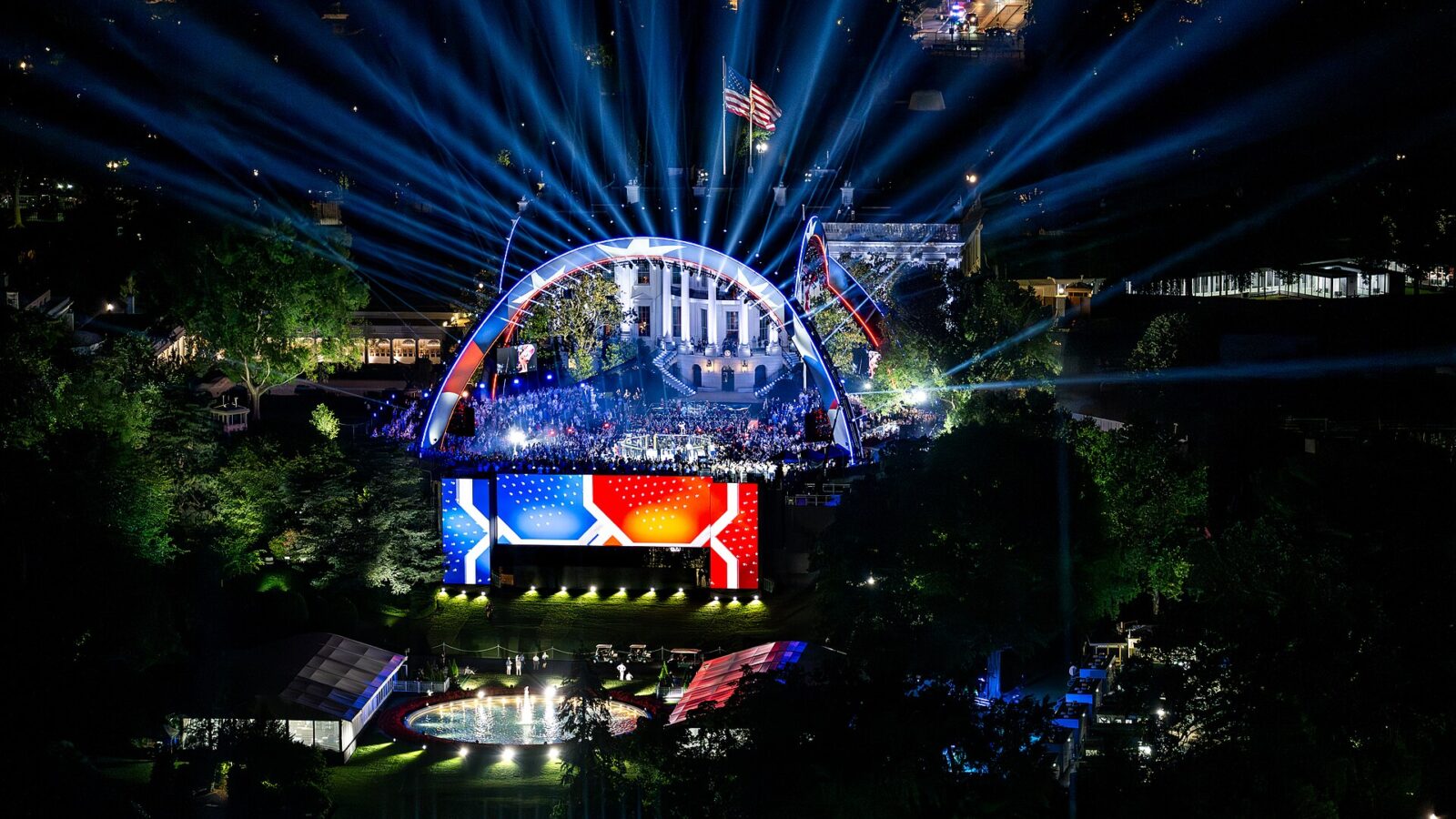
Photo by The White House — Public domain via Wikimedia Commons
If you laid a price on Gable Steveson on Saturday, you don’t need Jon Jones to explain what went wrong — your ticket already told you. But Jones admitting his “instant reaction” was to get his friend to the back is worth more than the human-interest coverage it will generate this week. It’s the closing bell on one of the most predictable market failures in MMA: the crossover-prospect hype train. And if you bet this sport seriously, what happens to Steveson’s price over his next two fights matters far more than the sympathy tour.
The Hype Tax Always Comes Due
Steveson arrived in the UFC with the kind of résumé that breaks betting markets. Olympic wrestling gold. Celebrity crossover appeal. A personal mentorship from arguably the greatest fighter of all time. Every one of those bullet points is real — and every one of them inflated his price beyond what his actual cage time justified. This is the hype tax, and recreational money pays it gladly. The public doesn’t bet on MMA skill; it bets on narratives it already recognizes.

Here’s the tactical reality: wrestling pedigree is a tool, not a result. The sport’s history is littered with credentialed grapplers who never built the striking defense, submission awareness, or cage craft to convert their base into wins against professionals who had been doing all of it for longer. When you bet a prospect primarily off credentials, you aren’t handicapping — you’re underwriting a marketing campaign. On Saturday, that campaign defaulted.
What Jones Walking Him Out Actually Tells a Bettor
Strip away the sentiment and Jones’ move is a data point. Fighters suffering their first real professional loss react across a spectrum. Some treat it as tuition — Georges St-Pierre turned a devastating upset into the fuel for a legendary title reign. Others never fully reassemble. Jones shielding Steveson from the post-fight gauntlet tells you the camp understood this was a destabilizing moment, not a shrug-and-move-on defeat.
That matters for the next booking. Watch how the team responds. A long layoff, a carefully selected confidence-rebuilder opponent, extended silence from the camp — those are the tells of a rebuild, and books will price Steveson accordingly. A quick turnaround against a live opponent tells you the team believes the loss was correctable in real time. Each path demands a different betting posture, and you should have both mapped before the next fight is even announced.
The Overreaction Window Is Where the Money Is
Here is the part most bettors get wrong twice. They overpay for the prospect on the way up, then over-fade him on the way down. Upsets of this magnitude produce violent corrections, and corrections overshoot. Steveson’s next price will reflect the loss, the embarrassment, and the public’s fresh conviction that he was a mirage all along — which may prove exactly as wrong, in the opposite direction, as his price was on Saturday.
Your job is to separate variance from pattern. Rewatch the fight without emotion. Was the decisive sequence a single defensive lapse against a finishing instinct — the kind of mistake a blue-chip athlete with elite coaching can patch? Or did it expose structural holes: no striking answers, panic under fire, a gas tank that betrayed him? The first profile is a buying opportunity once the market overcorrects. The second is confirmation to keep fading until the tape says otherwise. The footage decides — not the headlines, and not the image of Jones steering him through the crowd.
The Rules Going Forward
File this weekend under a lesson that should already be laminated into your process. Bet the matchup, never the biography. Treat mentorship as décor — Jones can sharpen a fighter’s skills, but his name in the corner shouldn’t add a single point to your handicap. And when a heavily backed prospect falls, resist both temptations: don’t chase the comeback story out of loyalty, and don’t pound the fade out of spite. Wait for the booking, read the camp’s behavior, and let the price come to you.
Jones did what a friend does on Saturday night. Your obligation is colder and simpler: treat the entire episode — the hype, the upset, the early exit — as information. The bettors who mine their losing tickets for signal are the ones still standing when the next can’t-miss prospect arrives. And there’s always a next one.
Reporting source: Jones takes responsibility for Steveson leaving Octagon early