Breakout Defensemen Are a Fantasy Story — Until the Betting Market Wakes Up

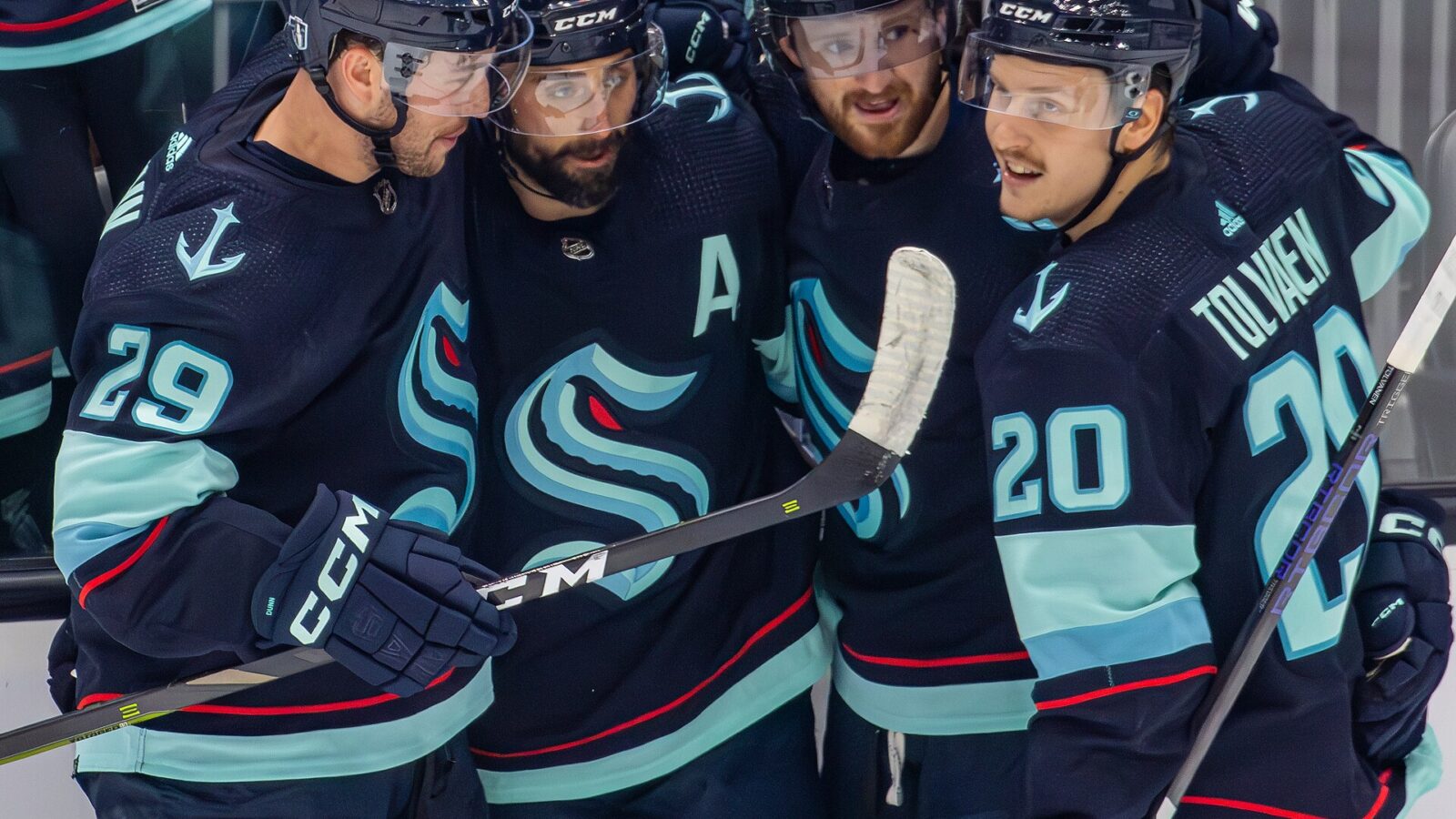
Photo by Jenn G from Seattle, WA — CC BY-SA 2.0 via Wikimedia Commons
The annual fantasy hockey exercise of identifying breakout defensemen has a secondary audience that rarely gets acknowledged: bettors. When a young blue-liner jumps from 25 points to 45, that isn’t just a waiver-wire win. It’s a shift in a team’s expected goal share, power-play efficiency, and ultimately its win probability on a nightly basis. The fantasy community tends to identify these players six to eight weeks before betting markets fully price them in. That lag is the opportunity.
Why Defensemen Breakouts Matter More Than Forward Breakouts
A breakout forward adds scoring. A breakout defenseman changes the structural profile of a team. When a 23-year-old blue-liner suddenly commands top-pair minutes and first power-play unit deployment, the downstream effects touch everything a bettor cares about: five-on-five expected goals against, special teams conversion rates, and time spent leading versus trailing, which drives late-game scoring variance.

Consider the archetypes involved in this year’s crop of candidates. Players like Brandt Clarke and Luke Hughes represent the offensive quarterback profile — defensemen whose value is concentrated in transition play and man-advantage production. When that player type breaks out, team goal totals trend upward. Players like Simon Edvinsson and Mattias Samuelsson fit the shutdown mold, where the breakout shows up in suppressed chances against. That profile pushes games toward the under and improves a team’s ability to protect leads. Knowing which type of breakout you’re tracking tells you which markets it will eventually move.
The Deployment Signals That Precede the Points
Points are a lagging indicator. The leading indicators are all visible in deployment data before the scoring arrives. Three metrics deserve priority attention in the opening weeks of the season.
First, time on ice trajectory. A defenseman moving from 18 minutes to 22 minutes per night is being handed a larger share of his team’s possession outcomes, regardless of whether the box score reflects it yet. Second, power-play unit assignment. First-unit quarterbacks on average see a disproportionate share of their production with the man advantage, so a promotion from PP2 to PP1 is functionally a projection upgrade worth acting on immediately. Third, defensive zone start ratios. A young defenseman being sheltered early but gradually earning tougher assignments is on the developmental curve that precedes a breakout, whereas one being force-fed difficult minutes with poor results may simply be miscast.
The age curve matters here too. Defensemen historically peak later than forwards, with the most common breakout window falling between ages 22 and 25. Owen Power and Jamie Drysdale sit squarely in that window, as do Pavel Mintyukov and Bowen Byram. When a player in that age band also shows year-over-year gains in ice time and underlying possession metrics, the probability of a production jump rises sharply.
Where the Betting Value Actually Sits
Norris Trophy futures are the most obvious inefficiency. Awards markets anchor heavily on name recognition and prior-season point totals, which systematically undervalues young defensemen coming off 30-point campaigns. A player who posts 50-plus points with strong two-way underlying numbers on a playoff team routinely crashes that conversation at prices set before the breakout occurred.
Player props offer a more granular angle. Early-season point props and shots-on-goal props for defensemen are built off prior-year baselines. A defenseman whose deployment has materially changed — new first-unit power-play role, new partner, expanded even-strength minutes — will outperform those baselines until the books recalibrate, which typically takes several weeks.
Team totals deserve attention as well. A blue line adding two legitimate top-four contributors, as Buffalo’s could if Power and Byram take simultaneous steps, compresses goals against in ways that season-long projections built on last year’s defensive numbers will miss.
The Caution Side of the Ledger
Not every breakout candidate is created equal, and some carry risk the fantasy framing glosses over. Injury history is the primary filter — Samuelsson’s availability concerns are precisely the kind of variable that makes season-long props fragile. Hype saturation is the second. Hughes and Power are already prominent names; their breakout potential is at least partially priced into both fantasy draft costs and any market that references them. The edge lives with the players the casual market hasn’t catalogued: the J.J. Mosers and Braden Schneiders of the board, where opportunity cost is low and deployment trends are doing the talking.
The disciplined approach is to treat the fantasy breakout list as a scouting report, not a betting slip. Verify the deployment signals in October’s first ten games, confirm the power-play assignments, and act on the props and futures before the market processes what the fantasy community already suspects. The edge in these markets has never been about knowing who the candidates are. It’s about confirming the breakout first — and getting down before the number adjusts.
Reporting source: Fantasy hockey draft picks: Grab these defensemen before their breakout year