New Crown, Same Sweat: What Zverev’s Tiebreak Escape Tells Bettors About the Rest of Shanghai

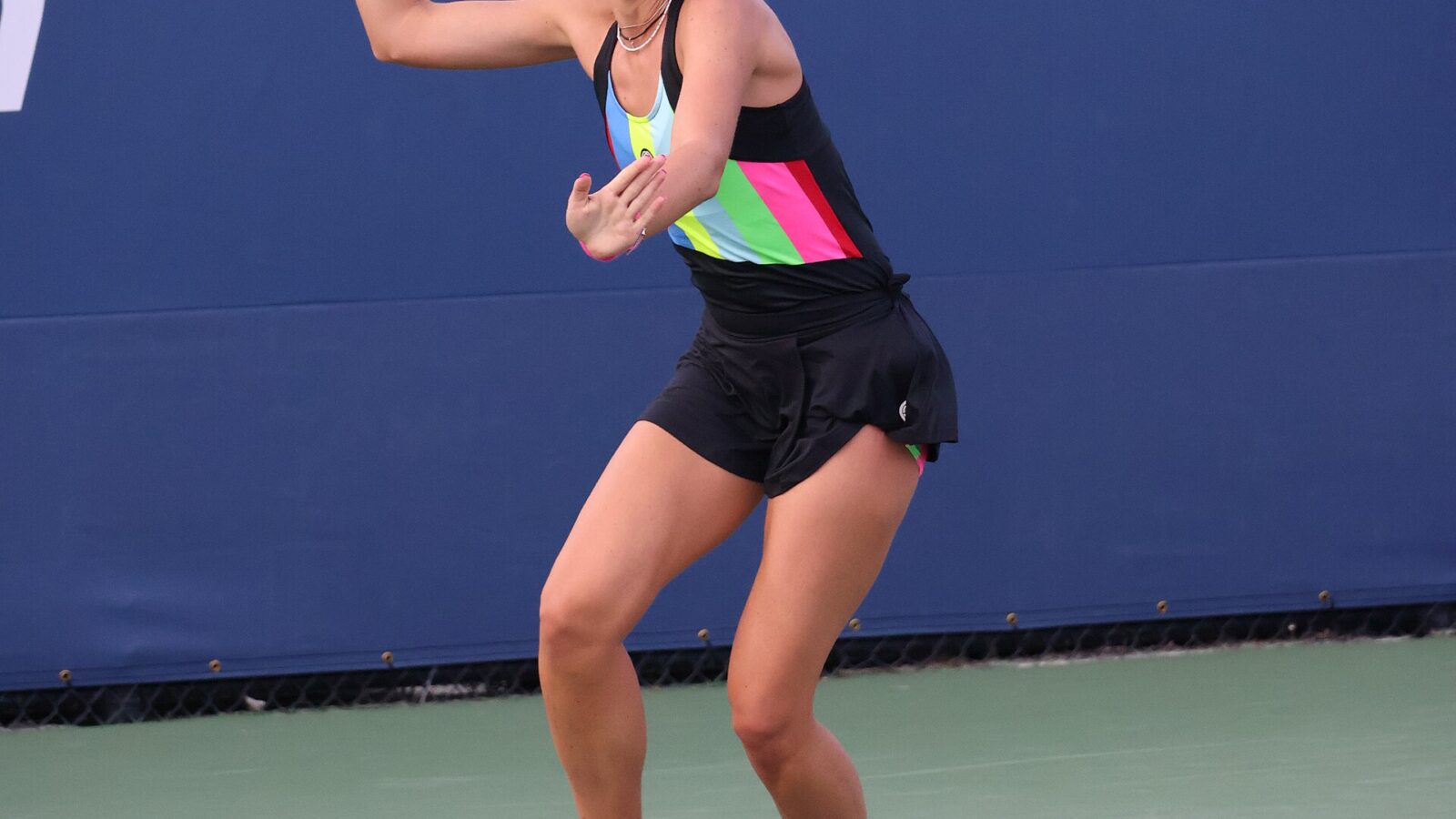
Photo by Hameltion — CC BY-SA 4.0 via Wikimedia Commons
There’s a particular kind of tension that comes with backing a player who has everything already wrapped up. Alexander Zverev walked onto court in Shanghai this week as the confirmed year-end No. 1 — the mountain climbed, the mission accomplished — and nearly got sent home by Alexander Bublik in his very first match wearing that crown. Two tiebreaks, three sets, and a whole lot of nervous energy later, Zverev survived 7-6 (6), 4-6, 7-6 (1). If you’re betting the rest of this tournament, that scoreline isn’t just a result. It’s a warning label.
Because here’s the thing about matches like this: they tell you far more about a player’s current state than a routine straight-sets win ever could. And what this one told us is complicated.

The Motivation Question Nobody Wants to Ask Out Loud
Let’s address the elephant in the betting slip. When a player secures the year-end No. 1 ranking before a tournament ends, every subsequent match carries an invisible asterisk. The gruelling season-long chase is over. The body is tired. The mind, whether the player admits it or not, has already started drifting toward the offseason, the holidays, maybe a beach somewhere.
This isn’t speculation pulled from thin air — it’s one of the oldest patterns in tennis betting. Players who achieve their season goal late in the year become notoriously difficult to price. Some play with glorious freedom, the pressure gone, swinging like it’s a practice set. Others look flat, distracted, a half-step slow on the big points. Zverev’s performance against Bublik had flashes of both. He was vulnerable enough to drop a set and get dragged into two breakers, yet clinical enough to dominate the second tiebreak 7-1 when the match was genuinely on the line.
Which version shows up in the quarterfinals? That’s the bet you’re actually making.
Tiebreaks Are Where Betting Slips Go to Die
Now let’s talk about the structure of this match, because it matters enormously for how you approach Zverev going forward. Two tiebreaks in three sets means this contest was essentially decided by a handful of points — the tennis equivalent of flipping a coin twice and calling heads both times.
Tiebreak-heavy matches are the highest-variance outcomes in the sport. Zverev didn’t dominate Bublik; he out-nerved him. That’s a credit to his composure, sure, and winning tight breakers is a genuine skill that separates the elite from the nearly-men. But it also means the margins between Zverev advancing and Zverev losing were paper-thin against an opponent who, let’s be honest, is not exactly a model of consistency himself.
If you’re looking at Zverev in the quarters and beyond, ask yourself: do you trust those margins to hold against sharper, more settled opposition? Surviving chaos is admirable. Needing to survive it, match after match, is a tax that eventually comes due.
Give Bublik His Chaotic Due
Context matters here, and the context is that Alexander Bublik is tennis’s great agent of chaos. He serves bombs, he hits tweeners in serious moments, he tanks points and then produces magic thirty seconds later. Nobody — not the world No. 1, not anybody — looks comfortable against Bublik when he’s engaged, because the match simply doesn’t follow normal rhythms. You can’t build momentum against a guy who treats momentum as a suggestion.
So some grace is warranted. Zverev’s first match as the newly minted year-end No. 1 came against arguably the worst possible opponent for a player trying to settle into a new emotional reality. There was no rhythm to find because Bublik doesn’t allow rhythm. The fact that Zverev steadied himself in that final breaker, winning it at a canter, suggests the competitive fire is still burning even with nothing left to chase in the rankings.
That’s genuinely encouraging for anyone holding or considering a Zverev position on this tournament.
The Smart Way to Play the Rest of Shanghai
So where does this leave you? Somewhere interesting, actually. The temptation after a scare like this is to swing to extremes — either panic about Zverev’s form or dismiss the wobble entirely because of who the opponent was. The truth lives in the middle, as it usually does.
The case for caution: Zverev has just achieved the defining goal of his season, his first match afterward was a tightrope walk, and late-season tennis is littered with fatigued favourites going home early. The case for confidence: he won the big points when they mattered most, he’s now playing with house money emotionally, and a player with nothing to prove can be a dangerous, liberated thing.
The sharpest angle might not be about Zverev winning or losing at all — it’s about expecting matches that look like this one. Tight sets. Tiebreak drama. Long, grinding contests where his superiority shows up in the crucial moments rather than the scoreboard. If his quarterfinal opponent is the type to hang around in rallies and force deciders, the over on sets and the tiebreak markets become far more interesting than simply picking a winner.
Zverev got the milestone. Now we find out if he wants the exclamation point — and bettors who read the Bublik match correctly will be the ones cashing when we do.
Reporting source: Zverev beats Bublik to reach Shanghai Masters quarters