Rodón’s Eight-Inning Gem Is a Betting Signal — If You Know How to Read It


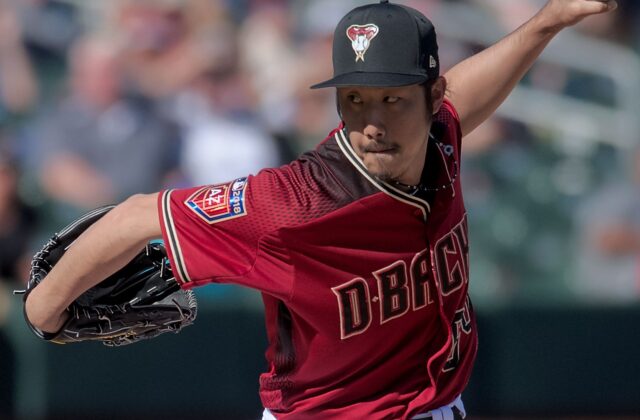
Photo by Mark Hillary from Serra Negra, São Paulo, Brazil — CC BY 2.0 via Wikimedia Commons
A 2-0 win in the opener of a day-night doubleheader looks like a routine box score. It isn’t. Carlos Rodón carving through the Rays for eight innings of three-hit baseball is the kind of start that should recalibrate how you price the Yankees from now through October — in series markets, in postseason futures, and in every game he takes the ball. If you’re still betting Rodón as the volatile, one-bad-inning pitcher who has surfaced at points during his Yankees tenure, you’re working with stale information, and stale information is how bankrolls die.
What This Start Proves — and What It Doesn’t
The most transferable skill a starter can carry into playoff baseball isn’t swing-and-miss stuff; it’s the ability to navigate a lineup three times. Eight innings means Rodón wasn’t surviving on a lucky afternoon of loud contact finding gloves. He controlled the Rays deep into the game, and third-time-through-the-order success is the single best indicator of whether a starter can be trusted in a postseason series, where managers have quick hooks and lineups are built to grind.

But here’s the discipline check: one start is a data point, not a trend. The sharp move isn’t to rush the window on Yankees futures because of one gem — it’s to track the underlying indicators across his remaining outings. Watch the walk rate and first-pitch strikes, not the scoreless-innings column. Command is what travels in October. If Rodón is filling the zone in his final regular-season starts, that’s when you upgrade him in your handicap — not after one headline.
The Doubleheader Economy Most Bettors Ignore
Eight innings from a Game 1 starter is a tactical goldmine that the market consistently underprices. Because Rodón went deep, the Yankees essentially preserved their entire leverage bullpen for the nightcap. Casual bettors handicap the second game of a doubleheader on starting pitchers and lineups. Sharp bettors check which relievers actually threw in Game 1.
A rested, full-strength bullpen behind the Game 2 starter compresses the run environment late and stabilizes a moneyline price that might otherwise be fragile. The inverse is one of the most repeatable edges on the September calendar: when a team’s Game 1 starter gets knocked out early, that club’s Game 2 pitching is almost always worth fading, because the middle relief that absorbs those innings is the weakest part of any staff. File this one away — doubleheader bullpen accounting is free money for bettors willing to do thirty seconds of homework the market assumes nobody does.
The Totals Lesson in a 2-0 Final
Playoff-style baseball arrives before the playoffs do. When two postseason-caliber clubs meet in late September with stakes attached, the game tightens: managers shorten leashes, every baserunner is treated as precious, and sloppy fourth innings get replaced by leverage relievers. A 2-0 final between these teams isn’t an anomaly — it’s a preview of how October baseball between them would look.
This doesn’t mean blindly hammering unders. It means your handicap down the stretch should weight bullpen depth and managerial urgency more heavily than season-long offensive numbers, which are polluted by April slugfests and garbage-time innings against last-place pitching. The run environment you’re betting in September is not the run environment the season stats describe.
The Rays Didn’t Clinch — and That Opens a Betting Window
Preventing Tampa Bay from wrapping up the AL East matters more for bettors than it does for the standings. Until the champagne pops, the Rays remain a max-motivation team playing full-strength lineups with something tangible on the table. The moment they clinch, the calculus flips overnight: backups in the lineup, innings limits on starters, bullpen games disguised as regular ones.
The sharpest late-season bettors track magic numbers as closely as pitching matchups, because the post-clinch letdown is one of the most predictable spots on the entire calendar. Fading a team the game after it celebrates — at a market price still built on its full-strength identity — is a time-tested edge. The Yankees’ job on Tuesday was simply to delay that window opening, and they did.
The Bottom Line
Rodón’s gem tells you the Yankees’ rotation ceiling is higher than the market likely has it priced — but confirm the command holds before you act on it. Respect the bullpen economy of doubleheaders. Tighten your totals framework for playoff-atmosphere baseball. And keep one eye on Tampa Bay’s magic number, because the day the Rays clinch, the betting value on their games changes completely. September baseball rewards information speed. This game handed you four separate edges — use them.
Reporting source: Rodón allows three hits in eight sharp innings as Yanks beat Rays 2-0 in doubleheader opener